The Growing Importance of Sustainable Home Design
In recent years, sustainable home design has moved from a niche preference to a mainstream priority for homeowners, builders, and architects alike. As energy prices rise and environmental awareness continues to grow, more people are looking for ways to create homes that are efficient, comfortable, and environmentally responsible. A well-designed sustainable home is not just about saving electricity or using eco-friendly materials; it is about creating a living environment that supports long-term health, reduces waste, and improves daily life. Whether someone is building from the ground up or renovating an existing property, the principles of green home design can make a meaningful difference.
One of the reasons sustainable housing has gained so much attention is that it addresses multiple concerns at once. It can lower utility bills, reduce carbon emissions, improve indoor air quality, and increase property value. In addition, homeowners increasingly want spaces that feel modern, functional, and aligned with their personal values. As a result, sustainable architecture is no longer viewed as a compromise. Instead, it is often seen as a smarter and more forward-thinking approach to residential living. The future of home building is being shaped by efficiency, resilience, and resource-conscious choices.
Another important aspect of eco-conscious housing is that it can be adapted to a wide range of budgets and styles. Some people assume that green building requires expensive technology or ultra-modern materials, but that is not always true. Practical improvements such as better insulation, high-performance windows, efficient appliances, and smart layouts can have a significant impact without overwhelming costs. By combining thoughtful planning with the right materials, homeowners can achieve a balance between affordability and sustainability. This flexibility is one reason sustainable home planning continues to attract broad interest.
Why Sustainable Home Design Matters
The global conversation around climate change has changed the way people think about housing. Buildings consume a large share of the world’s energy and contribute significantly to greenhouse gas emissions. Because of this, the importance of sustainable home design goes far beyond personal savings. A home that uses fewer resources helps reduce pressure on power grids, lessens dependence on fossil fuels, and supports broader environmental goals. Small changes made at the household level can add up to a large collective impact.
At the same time, sustainability is about more than environmental responsibility. It is also closely connected to comfort and quality of life. A home with proper ventilation, natural lighting, and efficient temperature control creates a healthier and more pleasant atmosphere. People spend a large portion of their lives indoors, so the design of interior spaces affects well-being in direct ways. Choosing eco-friendly home features can therefore support both physical comfort and emotional satisfaction.
Homeowners are also increasingly aware of long-term financial benefits. While some sustainable upgrades require an initial investment, they often pay off through lower energy consumption, reduced maintenance needs, and improved durability. This makes energy-conscious improvements appealing not only to environmentally minded buyers but also to those focused on practical value. In many markets, a green property can stand out because buyers appreciate lower operating costs and modern efficiency standards.
Core Principles of a Sustainable Home
Efficient use of resources is one of the central ideas behind sustainable residential design. This includes reducing energy waste, conserving water, and minimizing the use of materials that have a heavy environmental footprint. Homes that follow these principles are typically designed to work with their surroundings rather than against them. For example, orientation toward the sun, strategic shading, and natural airflow can dramatically improve performance while reducing the need for mechanical systems.
Material selection is another major factor. Builders and homeowners are now paying closer attention to the origin, durability, and recyclability of products used in construction and renovation. Reclaimed wood, recycled metal, low-VOC paints, and responsibly sourced stone are all examples of materials that can support a more sustainable approach. These choices help reduce waste and often create distinctive, attractive finishes. The rise of responsible building materials has made it easier to combine style with environmental awareness.
Water efficiency is equally essential. Modern sustainable homes often incorporate fixtures and systems that reduce water use without sacrificing convenience. Low-flow taps, dual-flush toilets, rainwater harvesting, and drought-resistant landscaping are practical methods that support conservation. In regions where water is scarce or expensive, these features are especially valuable. Even in areas with abundant supply, mindful water management reflects a smarter and more resilient approach to home ownership. A water-smart house benefits both the household and the wider community.
Energy Efficiency and the Modern Home
Energy efficiency is often the first topic that comes to mind when discussing sustainable living. Homes that waste less energy are generally cheaper to operate and more comfortable in changing weather conditions. Proper insulation, airtight construction, and advanced glazing can significantly reduce heating and cooling demands. This makes it easier to maintain stable indoor temperatures throughout the year. In many cases, energy-efficient home design is one of the most effective ways to reduce a property’s environmental footprint.
Lighting also plays a major role. Natural daylight can reduce the need for artificial lighting during the day, while LED fixtures and intelligent controls help lower electricity consumption at night. Many homeowners are now using sensors, timers, and automation systems to optimize energy use. These technologies not only save power but also improve convenience. A smart sustainable home can adjust itself to daily routines, seasonal changes, and individual preferences with impressive efficiency.
Heating, ventilation, and air conditioning systems deserve special attention because they are often among the largest energy consumers in a house. High-efficiency systems, heat pumps, and zoned temperature control can greatly improve performance. When combined with good insulation and passive design strategies, these solutions reduce overall demand while preserving comfort. The shift toward low-energy homes is helping homeowners move toward a model of living that is both practical and environmentally responsible.
The Role of Interior Design in Sustainability
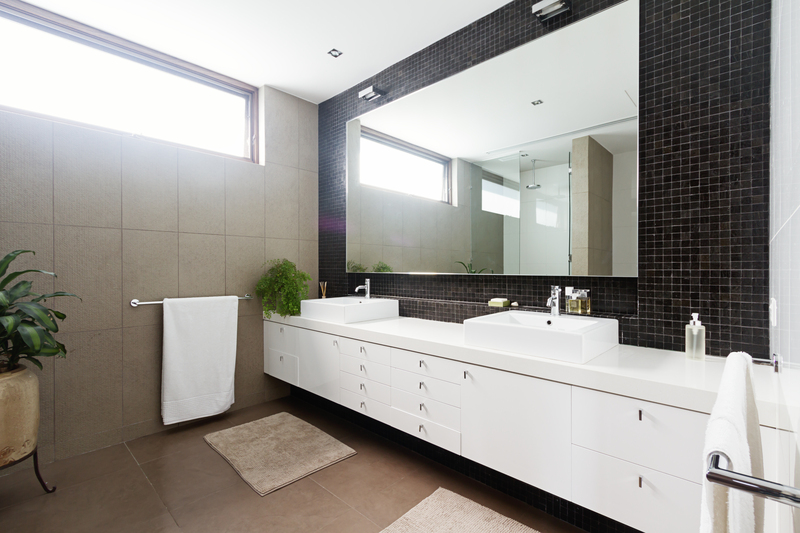
The interior environment is just as important as the structure itself. Sustainable interiors focus on health, durability, and efficient use of space. Choosing long-lasting furnishings, natural materials, and flexible layouts can reduce the need for frequent replacement and limit waste. A thoughtfully designed home can feel spacious and welcoming without relying on excessive decoration or disposable trends. This is where the idea of eco-conscious interior design becomes highly relevant.
Indoor air quality is a key concern, especially in tightly sealed homes. Materials such as carpeting, adhesives, and paints can release chemicals into the air, affecting comfort and health. Selecting low-emission products and maintaining proper ventilation can make a noticeable difference. Plants, natural airflow, and non-toxic finishes all support a cleaner indoor environment. People are increasingly recognizing that healthy home design should be an essential part of sustainability, not an optional extra.
Furniture and decor choices can also reflect environmental values. Instead of relying on mass-produced items with short lifespans, many homeowners are choosing pieces made from recycled, reclaimed, or responsibly sourced materials. Others prefer timeless designs that remain useful and attractive for years. This approach reduces waste and encourages more thoughtful consumption. A sustainable living space often feels calmer, more personal, and better suited to long-term use than a room filled with temporary items.
Smart Technology and Sustainable Living
Technology is transforming the way people manage their homes. Smart thermostats, energy monitors, automated lighting, and connected appliances make it easier to track and control resource use. These tools give homeowners more visibility into how much energy and water their household consumes. When used wisely, they can lead to better habits and lower utility costs. The rise of smart green living shows that digital innovation and environmental responsibility can work together effectively.
One of the biggest advantages of smart systems is their ability to improve efficiency without requiring constant effort. For example, a thermostat can learn when a household is typically occupied and adjust temperatures accordingly. Lighting systems can dim or switch off when rooms are empty. Appliances can operate during off-peak hours if electricity pricing encourages it. These small actions may seem minor individually, but together they create a more efficient and responsive modern eco home.
Data also helps homeowners make better decisions. By reviewing usage patterns, people can identify where energy or water is being wasted and take targeted action. This makes sustainability feel less abstract and more measurable. In addition, smart systems can support maintenance by detecting leaks, inefficiencies, or malfunctioning equipment early. A well-connected energy-smart residence is therefore not just convenient, but also more resilient over time.
Landscape Design and Outdoor Sustainability
Sustainable home design extends beyond the walls of the house. Outdoor spaces play a major role in overall environmental performance and lifestyle quality. Native plants, permeable paving, and thoughtful shading can make a property more climate-friendly while reducing maintenance needs. Landscaping that works with local conditions usually requires less water, fewer chemicals, and less upkeep. This is why sustainable landscape design has become an important part of the broader conversation around residential development.
Gardens and yards can also contribute to cooling, stormwater management, and biodiversity. Trees and vegetation provide shade and help lower surrounding temperatures, while well-planned drainage systems reduce runoff and erosion. In urban and suburban areas, these features can make properties more resilient during heat waves and heavy rainfall. A home with a well-integrated outdoor environment is often more comfortable and visually appealing as well. The idea of a climate-friendly home naturally includes the land around it.
Another benefit of sustainable outdoor design is the opportunity to create functional spaces for relaxation and social life. Patios, small gardens, and outdoor seating areas can be designed with durable materials and minimal environmental impact. When these spaces are planned carefully, they enhance the overall living experience without increasing resource consumption unnecessarily. A balanced approach to the outdoors supports both personal enjoyment and ecological responsibility. This makes outdoor planning an essential part of whole-home sustainability.
Long-Term Value of Green Homes
One of the strongest arguments for sustainable housing is long-term value. Homes that are efficient, durable, and adaptable tend to perform better over time. They often require less maintenance, offer better resilience against extreme weather, and remain attractive to future buyers. As environmental standards become more important in real estate, a future-ready home can become a significant advantage in the marketplace. Many buyers now see sustainability as a sign of quality rather than a trend.
Durability is especially important because it reduces the need for frequent repairs and replacements. Materials that last longer generally save money and reduce waste over the life of the home. Likewise, systems designed for efficiency often place less strain on equipment, which can extend operational life. These practical benefits are a major reason why green building value continues to increase. Sustainability is not just about what a home looks like today; it is about how well it performs over decades.
There is also an emotional and lifestyle value that should not be overlooked. People often feel better in spaces that are brighter, healthier, quieter, and more efficient. A home that supports well-being can improve daily routines and reduce stress. In that sense, sustainable design is as much about living well as it is about conserving resources. The concept of a thoughtful home environment reflects this broader view of value and purpose.
Common Misconceptions About Sustainable Homes
Despite growing popularity, several myths still surround sustainable residential design. One common misconception is that eco-friendly homes are always expensive. While some advanced features do cost more upfront, many sustainability improvements are affordable and pay for themselves over time. Better insulation, efficient lighting, and water-saving fixtures are examples of practical upgrades that can be accessible to many households. The reality is that affordable sustainable living is more achievable than many people think.
Another myth is that sustainable homes are limited in style or creativity. In truth, green design can be highly versatile. It can support minimalist spaces, traditional homes, modern architecture, and everything in between. The principles of efficiency and responsibility can be adapted to nearly any aesthetic. Rather than restricting design choices, sustainability often encourages more creative and intentional decisions. A stylish eco home can be just as beautiful as any conventional property.
Some people also believe that sustainable living requires major sacrifices in convenience. However, many of the most effective solutions are invisible in day-to-day life. Improved building envelopes, better materials, and smart controls often make homes more comfortable and easier to manage. This means homeowners can enjoy the benefits without changing every habit. In many cases, modern sustainable design enhances convenience rather than reducing it.
How Sustainable Design Shapes the Future
As environmental challenges continue to influence public policy, consumer preferences, and construction standards, sustainable homes are likely to become even more common. Builders are already paying greater attention to performance metrics, material sourcing, and climate resilience. Homeowners are also becoming more informed and more selective about what they want in a property. The next generation of housing will likely place even more emphasis on efficiency, flexibility, and lower environmental impact. This evolution is pushing residential sustainability into the mainstream.
Future homes may incorporate more renewable energy, better storage systems, and stronger integration between architecture and technology. They may also use materials and methods that support circular economy principles, reducing waste from construction and demolition. As innovation continues, sustainable homes will become easier to build and more attractive to live in. This trend suggests that the meaning of home is changing. A low-impact home is becoming a symbol of progress, responsibility, and modern living.
In the end, sustainable home design is not a passing trend but a practical response to real needs. It addresses energy use, comfort, environmental impact, and long-term value in a single framework. Whether a homeowner is making small improvements or planning a major project, the principles of sustainability can guide better decisions. A well-built, efficient, and healthy home supports both the people inside it and the world outside it. That is why the movement toward sustainable home design continues to grow and why it will remain important for years to come.