Oven Cleaning in Focus: Practical Tips, Benefits, and Professional Results
Why Oven Cleaning Matters for Every Home
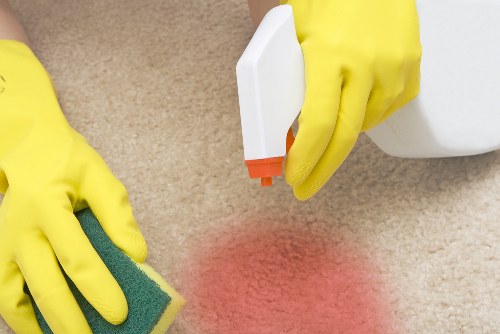
Oven cleaning is one of those household tasks that many people postpone until the buildup becomes impossible to ignore. Yet keeping your appliance clean does more than improve appearances. It helps your oven perform better, reduces smoke and odors, and supports safer cooking. Whether you use your oven daily or only for special meals, regular oven cleaning can make a noticeable difference in how your kitchen feels and functions.
When grease, food spills, and carbon deposits collect inside the oven, they can affect heating efficiency. That means dishes may cook unevenly, take longer, or develop unpleasant burnt smells. In addition, a dirty oven can create excess smoke when high temperatures are reached, which may trigger alarms and make cooking uncomfortable. This is why oven cleaning is not just about looks; it is about performance, hygiene, and convenience.
For many households, a clean oven also creates a more inviting cooking environment. If you enjoy hosting guests, baking often, or preparing family meals, a spotless appliance sends the right message. It suggests care, organization, and attention to detail. Even a small amount of maintenance can go a long way, especially when it prevents stubborn buildup from forming in the first place.
Common Signs Your Oven Needs Attention

It is not always obvious when oven cleaning is due, especially if the appliance still works. However, there are several signs that indicate it is time to act. One of the most common is visible grease splatter on the interior walls or oven door. Another is a darkened rack surface or a burnt residue on the base of the oven. These signs show that grime has accumulated beyond normal use.
You may also notice smoke when baking, particularly if spills from previous meals have been left to harden. Lingering odors are another clue. If your oven continues to smell like old food long after cooking, then residue may be trapped in corners, under racks, or around the heating elements. These odors often get stronger during preheating, which is a clear sign that deeper oven cleaning is needed.
Uneven cooking can also point to a dirty oven. Built-up debris may interfere with heat distribution, leading to hot and cold spots. If cookies brown unevenly or casserole dishes take longer than expected, it is worth checking whether the oven requires a thorough cleaning. A consistent cleaning routine helps prevent these problems and keeps your appliance operating as it should.
Other warning signs to watch for
- Sticky residue on oven glass
- Black soot around vents or edges
- Food particles under the racks
- Grease dripping onto the bottom tray
- Repeated smoke during cooking
How Oven Cleaning Improves Cooking Results

Many people are surprised by how much oven cleaning affects cooking quality. A clean oven heats more evenly because residue no longer blocks airflow or interferes with radiant heat. This matters most when roasting meats, baking delicate pastries, or preparing recipes that rely on precise temperatures. Even a thin film of grease can influence the way heat moves around the cavity.
Better heat circulation also means your food is less likely to dry out or cook unevenly. If the oven interior is covered in baked-on residue, it can create hot spots that overcook one area while leaving another underdone. With regular oven cleaning, you can reduce these inconsistencies and achieve more reliable results. That consistency is especially valuable for home bakers who depend on accurate temperature control.
Another advantage is that clean oven surfaces make it easier to monitor food. When the glass door is clear and the interior is free from dark buildup, you can check on your meal without opening the door too often. This helps maintain temperature and reduces energy waste. For anyone who cooks frequently, this practical benefit alone makes oven cleaning a smart habit.
Cooking benefits at a glance
- More even heat distribution
- Reduced smoke during cooking
- Improved flavor and aroma
- Less chance of food contamination from old residue
- Better visibility while cooking
DIY Oven Cleaning: What You Need to Know
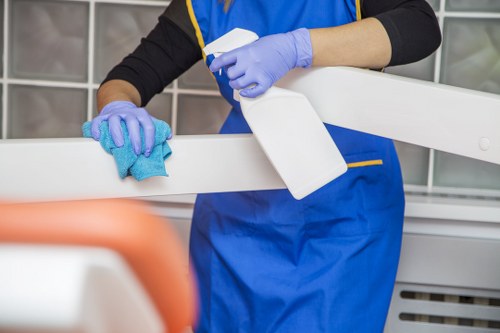
Many homeowners prefer to handle oven cleaning themselves, and in many cases that is perfectly manageable. A basic approach may include baking soda, vinegar, warm water, microfiber cloths, and a non-scratch scrubber. Some people also use commercial oven cleaners designed to break down tough grease and carbon deposits. The best method depends on the type of oven, how much buildup is present, and how comfortable you are working with cleaning products.
Before starting, always make sure the oven is switched off and completely cool. Remove the racks, trays, and any loose items. It is also wise to protect the surrounding floor and nearby surfaces from drips or splashes. Safety should always come first, especially if using chemical cleaners. Read product instructions carefully and ensure proper ventilation by opening windows or turning on an extractor fan.
A popular natural method involves making a thick paste of baking soda and water, applying it to dirty surfaces, and letting it sit for several hours or overnight. This helps loosen grime without harsh scrubbing. Afterward, the residue can be wiped away with a damp cloth and a small amount of vinegar if needed. While this process can be effective for light to moderate buildup, severe grease and burnt-on food may require more time and effort.
Simple DIY steps
- Remove racks and loose debris
- Apply cleaner or baking soda paste
- Let it sit to soften buildup
- Scrub gently with a safe tool
- Wipe clean and dry thoroughly
When Professional Oven Cleaning Makes Sense
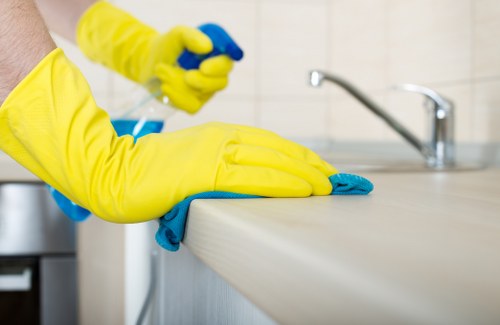
Although DIY oven cleaning can work well for regular upkeep, there are times when hiring a professional is the better choice. If your oven has heavy grease buildup, burnt-on carbon, or layers of residue that have been there for months, professional oven cleaning can save time and deliver a deeper result. Trained cleaners typically have specialized tools, safer products, and the experience needed to reach difficult areas without causing damage.
Professional oven cleaning is also useful if you have a busy schedule or simply want a stress-free solution. Instead of spending hours scrubbing, you can let experts restore the appliance efficiently. This is especially appealing for families, landlords, property managers, and anyone preparing for a special occasion. In many cases, professional service can extend the life of the oven by preventing corrosion, blockages, and unnecessary wear.
Another reason to choose a specialist is safety. Some ovens have delicate coatings, self-cleaning features, or components that should not be exposed to abrasive materials. A professional knows how to clean around these parts carefully. If you are unsure about the best method for your appliance, a trained service can provide peace of mind while delivering excellent results.
Situations where expert help is useful
- Severe burnt-on grease
- Persistent smoke or odors
- Oven not cleaned for a long time
- Limited time or physical ability
- Need for a deep reset before moving in or out
Understanding Different Oven Types and Their Cleaning Needs
Not all ovens are the same, and oven cleaning should be adjusted according to the model you have. Conventional ovens, fan ovens, range ovens, and compact built-in units can all accumulate dirt in slightly different ways. For example, fan ovens may distribute grease more widely because air circulation spreads residue across interior surfaces. Meanwhile, conventional ovens may collect more buildup near the bottom where spills tend to land.
Self-cleaning ovens need special consideration. While these appliances are designed to use high heat to burn away residue, they still require care before and after the cycle. Excessive buildup should be removed manually first, and the area should be ventilated well during use. It is also important to follow the manufacturer’s instructions, as some parts may need to be taken out before activating the self-cleaning mode. Ignoring those instructions can damage the appliance or reduce its lifespan.
Steam-cleaning ovens use moisture to loosen light dirt and are ideal for routine maintenance. However, they may not tackle heavy grease or years of buildup. In such cases, a full oven cleaning may still be required. Understanding your appliance helps you choose the right method and avoid unnecessary effort. If needed, check the user manual for surface recommendations and cleaning warnings.
Oven-specific care tips
- Use non-abrasive tools for enamel surfaces
- Avoid harsh chemicals on self-cleaning linings
- Dry all removable parts completely before reinstalling
- Check seals and gaskets for residue buildup
- Clean spills quickly to prevent long-term staining
Best Practices for Maintaining a Cleaner Oven
The best way to reduce the need for deep oven cleaning is to build a simple maintenance routine. Wiping spills promptly after the oven cools can prevent stains from hardening. Lining the bottom with an approved protective tray or mat can also help catch drips, though it is important to use only products recommended by the manufacturer. Preventive care makes future cleaning faster and less demanding.
Regularly checking the oven door, racks, and seals is another smart habit. These areas often collect crumbs and grease in places that are easy to overlook. A quick wipe once a week or after heavy use can make a big difference over time. Small, consistent actions are often more effective than occasional deep scrubbing, especially for busy households that rely on the oven often.
Ventilation matters as well. Using the extractor fan while cooking can reduce the amount of airborne grease settling inside the oven. Covering dishes where appropriate and avoiding excessive overfilling can also help prevent spills. The cleaner you keep the appliance during everyday use, the less time you will need for intensive oven cleaning later.
Routine maintenance checklist
- Wipe spills after cooling
- Inspect racks and trays weekly
- Clean the glass door regularly
- Use ventilation during high-heat cooking
- Schedule deeper oven cleaning as needed
Health, Hygiene, and Kitchen Safety Benefits
Oven cleaning plays an important role in kitchen hygiene. Old food residue can attract unpleasant odors and create an unhygienic cooking environment. While an oven is not usually a place where bacteria thrive in the same way as a sink or countertop, leftover food particles can still become a source of contamination when reheated or burned repeatedly. Keeping the appliance clean supports a more sanitary kitchen overall.
There are also safety benefits to consider. Grease buildup can smoke, flare, or create a fire hazard if ignored for too long. This is especially true when spills are left near heating elements or at the bottom of the oven. Regular oven cleaning reduces the amount of combustible residue inside the appliance and lowers risk. A clean oven is a safer oven, particularly in busy households where cooking happens frequently.
For households with children, pets, or guests, this peace of mind matters even more. Cooking should be enjoyable, not stressful. Clean appliances help create an environment where you can prepare food confidently without worrying about lingering odors, excessive smoke, or unexpected flare-ups. That is one of the strongest reasons to make oven cleaning a priority.
How Often Should You Clean Your Oven?
The ideal oven cleaning schedule depends on how often you cook and what kinds of food you prepare. If you use your oven daily, a light wipe-down every week may be helpful, with a deeper clean every one to three months. If you cook less frequently, you may not need to clean it as often, but it is still important to inspect it regularly for spills and residue.
Greasy foods, casseroles, roasts, and baked desserts can all leave residue behind. The more often these foods are cooked, the more often you will likely need attention on the appliance. Some homeowners prefer a monthly routine, while others choose seasonal deep oven cleaning. The right schedule is the one that keeps buildup under control without becoming overwhelming.
If you notice smoke, strong odors, or visible grime before your planned cleaning date, do not wait. Address the issue sooner rather than later. Prompt action prevents residue from hardening and makes the task much easier. Over time, a regular rhythm will help the oven stay in good condition and reduce the need for major restoration work.
Practical frequency suggestions
- Light use: every 3 to 6 months
- Moderate use: every 1 to 3 months
- Heavy use: monthly or as needed
- After major spills: clean as soon as the oven cools
Choosing the Right Oven Cleaning Approach
There is no single best method for every situation. Some ovens respond well to natural cleaning products, while others need stronger degreasers or professional attention. The right choice depends on the amount of buildup, the surface material, and the results you want. For example, if you are dealing with a lightly used oven, a simple baking soda treatment may be enough. For thick grease deposits, a specialist cleaner may be far more effective.
It is also important to think about time and convenience. DIY oven cleaning may save money, but it often requires patience and physical effort. Professional cleaning may cost more, yet it can produce a more polished result with less inconvenience. Both approaches have value, and many households use a mix of regular home maintenance and occasional expert service.
As a general rule, avoid using abrasive pads, metal scrapers, or unapproved chemicals that could scratch surfaces or damage protective coatings. When in doubt, consult the appliance manual or seek advice from a qualified service provider. A careful approach helps protect the oven while keeping it clean and functional.
Factors to consider before choosing a method
- Level of grease and burnt-on residue
- Type of oven and surface finish
- Available time and effort
- Budget and desired finish
- Need for safe, low-stress results
Final Thoughts on Keeping Your Oven in Top Condition
Oven cleaning may not be the most exciting household task, but it is one of the most worthwhile. A clean oven improves cooking performance, reduces smoke and odors, supports kitchen safety, and helps the appliance last longer. Whether you prefer a DIY approach or professional assistance, consistent care is the key to better results.
By paying attention to early warning signs, maintaining a routine, and choosing the right cleaning method for your appliance, you can avoid the frustration of heavy buildup. Clean surfaces are easier to manage, easier to maintain, and far more pleasant to cook with. For busy homes, that makes a real difference in daily life.
If your oven is due for attention, now is the ideal time to take action. Book your service now or take the first step toward a cleaner, safer, and more efficient kitchen. Contact us today to make oven cleaning a simple part of your home care routine.