Regular Cleaning for Healthier, Safer, and More Productive Spaces
Why Regular Cleaning Matters More Than Most People Think
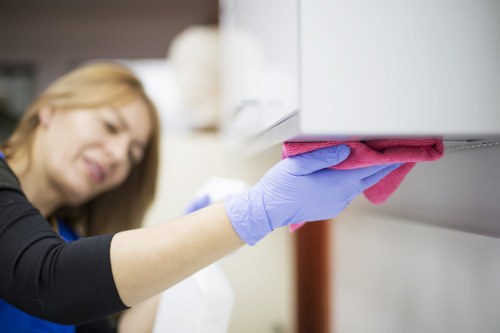
Regular cleaning is far more than a simple routine task; it is a practical investment in health, comfort, and long-term property care. Whether you are managing a home, office, rental unit, retail space, or shared facility, consistent cleaning helps maintain a space that feels welcoming, functions efficiently, and supports everyday well-being. Many people only notice cleaning when it is missing, but the truth is that regular cleaning quietly improves nearly every part of daily life.
From reducing dust buildup to controlling odors and keeping surfaces sanitary, regular cleaning creates a cleaner environment that people can trust. It also helps prevent small issues from becoming expensive problems. For example, a little grime left unchecked on floors or appliances can turn into stubborn buildup that requires deeper restoration later. In that sense, routine cleaning is not just about appearance; it is about protection, prevention, and peace of mind.
For businesses, the value of regular cleaning is even more obvious. Clients, employees, and visitors often judge a space within seconds. A tidy environment signals professionalism, attention to detail, and care. For homeowners, it means more comfort, fewer allergens, and a more enjoyable living space. If you want a place that feels fresh every day, regular cleaning should be a priority, not an afterthought.
The Health Benefits of Regular Cleaning

One of the strongest reasons to stay consistent with regular cleaning is its impact on health. Dust, pollen, pet dander, mold spores, and other particles can accumulate quickly in indoor spaces. Without ongoing cleaning, these irritants circulate through the air and settle on surfaces, where they may affect breathing comfort and overall wellness. This is especially important in homes with children, older adults, or anyone with allergies or respiratory sensitivities.
Regular cleaning also reduces the spread of germs. High-touch areas such as door handles, light switches, faucets, countertops, desks, and shared equipment can become hotspots for bacteria and viruses. A consistent cleaning routine helps remove contaminants before they spread. When sanitizing is included as part of regular cleaning, the result is a healthier environment for everyone who enters the space.
Clean spaces often support mental well-being too. Clutter and dirt can create stress, distraction, and a sense of overwhelm. A fresh, organized environment tends to feel calmer and more manageable. That is one reason people often report feeling more productive and relaxed after a proper cleaning session. Simply put, regular cleaning services or a consistent do-it-yourself routine can improve both physical and mental comfort.
How Regular Cleaning Protects Your Property
Another major advantage of regular cleaning is long-term property protection. Dirt, grease, dust, moisture, and debris can slowly damage surfaces if they are ignored. Floors can lose their finish, carpets can trap abrasive particles, and fixtures can dull over time. Routine maintenance helps preserve the materials in your space and extends their usable life.
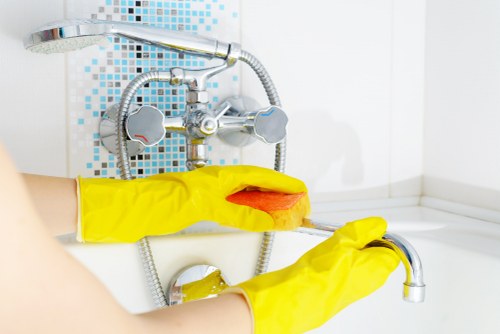
In kitchens and bathrooms, this is especially important. Soap scum, hard water stains, grease, and mildew can build up quickly in these high-use areas. With regular cleaning, these issues are easier to manage and much less likely to create permanent damage. Countertops, sinks, tile, grout, and appliances all benefit from consistent care. This means fewer repairs, less replacement, and a better return on your investment.
It is also worth noting that regular cleaning supports safety. Spills can lead to slips and falls, clutter can create tripping hazards, and dust accumulation can affect ventilation systems. In commercial settings, the stakes may be even higher, because unsafe conditions can lead to liability concerns and downtime. A routine cleaning plan helps reduce these risks and keeps the space running smoothly.
Key Areas That Benefit Most from Regular Cleaning
1. Floors and Entryways
Floors take a beating every day. Shoes track in dirt, water, sand, and outdoor pollutants, while foot traffic grinds those particles into carpets, tile, wood, and vinyl. Regular cleaning of floors and entryways keeps surfaces looking better and lasting longer. It also prevents dirt from spreading throughout the rest of the space.
Entryways deserve special attention because they are the first point of contact for anyone coming inside. Mats, sweeping, vacuuming, and mopping all contribute to a cleaner first impression. For businesses, this can directly influence how customers perceive the brand. For homes, it helps keep the entire property cleaner with less effort.
2. Kitchens
Kitchens are among the most important spaces for regular cleaning because they involve food preparation, utensils, and shared surfaces. Grease, crumbs, spills, and food residue can attract pests and create unpleasant odors if left untouched. Sink areas, stovetops, backsplashes, cabinets, and appliance exteriors all need ongoing attention.
Regular kitchen cleaning also supports food safety. Clean counters, sanitized cutting surfaces, and well-maintained appliances reduce the chance of contamination. Even small daily habits, like wiping surfaces after cooking or emptying the trash regularly, can make a noticeable difference.
Simple kitchen habits that help
- Wipe counters after each meal preparation
- Clean spills as soon as they happen
- Sanitize frequently touched handles and switches
- Empty bins before odors develop
- Deep clean appliances on a set schedule
Regular Cleaning in Different Environments
Homes
In residential settings, regular cleaning helps families enjoy a more comfortable and orderly life. A clean home is easier to live in and easier to maintain over time. Bedrooms, living rooms, kitchens, bathrooms, and common areas each have their own cleaning needs, but the overall goal is the same: keep the home safe, fresh, and organized.
For busy households, regular cleaning can be broken into manageable tasks. Daily upkeep, weekly cleaning, and monthly deep cleaning all work together to prevent mess from becoming overwhelming. Even small routines, such as making the bed, washing dishes promptly, and vacuuming high-traffic areas, can create a noticeable difference.
Offices
In office environments, regular cleaning supports productivity and professionalism. Shared desks, conference rooms, break areas, and restrooms need consistent attention. When these spaces are clean, staff members are more likely to feel focused and respected. Clients and visitors also notice the condition of the workspace immediately.
Office cleaning is not only about appearance. It also helps reduce the spread of germs in high-touch areas and supports a more efficient workplace. Organized and sanitary workspaces often lead to better morale and fewer disruptions. For businesses looking to make a strong impression, regular cleaning should be a standard practice.
Retail and Hospitality Spaces
Retail stores, restaurants, hotels, and other customer-facing businesses rely heavily on cleanliness. Customers expect these spaces to look polished, smell fresh, and feel safe. Regular cleaning helps maintain that expectation while reinforcing trust in the brand. It also contributes to compliance with health and safety standards in many industries.
Because foot traffic is often high, these spaces may require more frequent attention than a typical home or office. Floors, counters, restrooms, seating areas, and display surfaces all play a role in the overall customer experience. A strong cleaning routine can directly support customer satisfaction and repeat business.
Building an Effective Regular Cleaning Routine
Creating a successful cleaning system starts with planning. The best regular cleaning routines are realistic, consistent, and tailored to the specific needs of the space. Instead of trying to clean everything at once, it is better to divide tasks into daily, weekly, and monthly categories. That approach makes the workload easier to manage and helps ensure nothing important is overlooked.
Start by identifying high-use areas and high-touch surfaces. These should be cleaned most often because they collect dirt and germs quickly. Next, determine which tasks can be done quickly each day and which ones require more time. A balanced cleaning schedule can reduce stress and improve results.
Consistency matters more than perfection. A space that is cleaned a little every day usually stays in much better condition than one that only gets attention occasionally. Over time, regular cleaning becomes part of the rhythm of maintenance, making it simpler to stay ahead of dirt and clutter.
Sample cleaning schedule
- Daily: wipe counters, take out trash, sweep high-traffic areas, and sanitize touchpoints
- Weekly: vacuum, mop, dust surfaces, clean bathrooms, and change linens if needed
- Monthly: deep clean appliances, wash windows, wipe baseboards, and organize storage areas
- Seasonally: clean vents, rotate furnishings, inspect hidden problem areas, and declutter thoroughly
Why Professional Regular Cleaning Services Are Worth Considering
Saving Time and Energy
Many people already have full schedules, so keeping up with regular cleaning can feel difficult. That is where professional cleaning support can make a significant difference. Hiring trained cleaners allows homeowners and business owners to focus on other priorities while still maintaining a spotless environment. It is a practical option for those who want better results without sacrificing time or energy.
Getting Consistent Results
Professional cleaners often bring systems, tools, and expertise that improve efficiency. They know how to handle different surfaces, remove buildup, and maintain areas that may be overlooked in a typical routine. This helps create more consistent outcomes, especially in spaces that need frequent attention. For many people, combining personal upkeep with professional regular cleaning services is the best solution.
Supporting Specialized Needs
Some properties have unique cleaning requirements. Medical offices, childcare facilities, restaurants, warehouses, and rental properties often need a higher standard of cleanliness or more detailed schedules. Professional cleaning teams can adapt to those needs and help maintain an environment that matches the expectations of the industry.
If you are aiming for a cleaner, healthier, and more organized space, book your service now and experience the difference a well-planned routine can make.
Regular Cleaning and Long-Term Cost Savings
One of the most overlooked benefits of regular cleaning is financial. At first glance, cleaning may seem like only an expense of time or service cost. In reality, it often saves money by preventing damage, reducing replacement needs, and lowering the chance of expensive repairs. When surfaces are maintained properly, they last longer and perform better.
For example, carpets that are vacuumed regularly and deep cleaned when needed are less likely to wear down prematurely. Appliances that are kept free of grease and debris tend to run more efficiently. Restrooms, kitchens, and flooring also hold up better when they are cleaned consistently rather than neglected for long periods. Over time, these savings add up.
Businesses may also benefit from fewer interruptions. If a workspace is poorly maintained, it can create operational delays, reduce employee satisfaction, and lead to expensive remediation. Regular cleaning helps avoid these problems before they start. That makes it a smart operational choice as well as a practical one.
Financial advantages of regular cleaning
- Extends the life of surfaces and materials
- Reduces emergency cleaning or restoration costs
- Helps maintain equipment efficiency
- Supports better workplace productivity
- Minimizes avoidable repairs and replacements
Common Mistakes to Avoid with Regular Cleaning
Even with the best intentions, it is easy to make mistakes that reduce the effectiveness of a cleaning routine. One common issue is focusing only on visible mess. While surfaces may look acceptable at first glance, hidden dust, grime, and buildup can remain in corners, behind furniture, and under appliances. A proper routine should account for both obvious and less noticeable areas.
Another mistake is using the wrong products for certain surfaces. Harsh chemicals can damage finishes, while overly mild cleaners may not remove residue effectively. It is important to follow product instructions and choose solutions appropriate for the material being cleaned. This is one reason why regular cleaning works best when paired with knowledge and care.
Skipping schedules is also a major problem. If cleaning only happens when a space looks dirty, buildup becomes harder to control. Routine cleaning works because it prevents mess from escalating. Sticking to a consistent plan, even when life gets busy, is essential for getting lasting results.
Errors that can reduce cleaning effectiveness
- Waiting too long between cleanings
- Ignoring high-touch surfaces
- Using unsuitable products or tools
- Cleaning only visible areas
- Failing to establish a repeatable schedule
Practical Tips to Make Regular Cleaning Easier
Keeping up with regular cleaning does not have to feel exhausting. The process becomes much easier when tasks are streamlined and habits are built into the day. One of the most effective strategies is to clean as you go. This approach prevents small messes from turning into bigger jobs later. A quick wipe here and a fast sweep there can save significant time over the week.
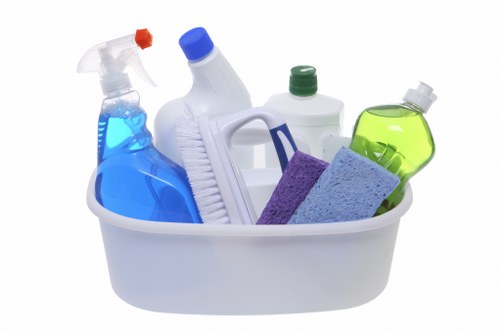
Another helpful tactic is to keep supplies accessible. When cleaning products, cloths, and tools are stored where they will be used, it is easier to act immediately. You are less likely to delay if the materials are already on hand. Simple organization also makes the space feel more intentional and manageable.
Finally, divide the workload among household members or staff when possible. A shared responsibility model can keep cleaning consistent without placing all the pressure on one person. In homes, this may mean assigning age-appropriate chores. In workplaces, it can mean combining employee habits with scheduled professional cleaning. The result is a cleaner, healthier space with less stress for everyone involved.
Small habits that make a big difference
- Put items back after use
- Wipe spills immediately
- Do a five-minute reset before leaving a room
- Use storage bins to reduce clutter
- Set reminders for recurring tasks
Conclusion: Make Regular Cleaning Part of Everyday Success
Regular cleaning is one of the simplest ways to improve the quality, safety, and appearance of any space. It protects health, extends the life of property, supports productivity, and creates a more pleasant environment for everyone. Whether you are caring for a home, managing an office, or overseeing a commercial property, the benefits of consistency are clear.
A clean space is not only more attractive; it is more functional and less stressful to maintain. By building a realistic cleaning routine, focusing on high-priority areas, and staying consistent, you can enjoy lasting results that make daily life easier. If needed, professional support can help you stay on track and achieve a higher standard of cleanliness.
Contact us today to take the next step toward a cleaner, healthier space, or book your service now to keep your environment looking its best all year long.